A Comprehensive Guide to the Various Kinds of Oil Field Equipment and Pipeline Equipment Available
The oil and gas sector relies greatly on specialized equipment for efficient extraction and transport. Numerous sorts of machinery, from drilling rigs to tank, play crucial functions in this intricate process. Each item of equipment offers distinctive functions that add to general functional success. Recognizing these parts is crucial for any person associated with the market. As the industry advances, so also do the innovations that sustain it. What advancements are on the horizon?
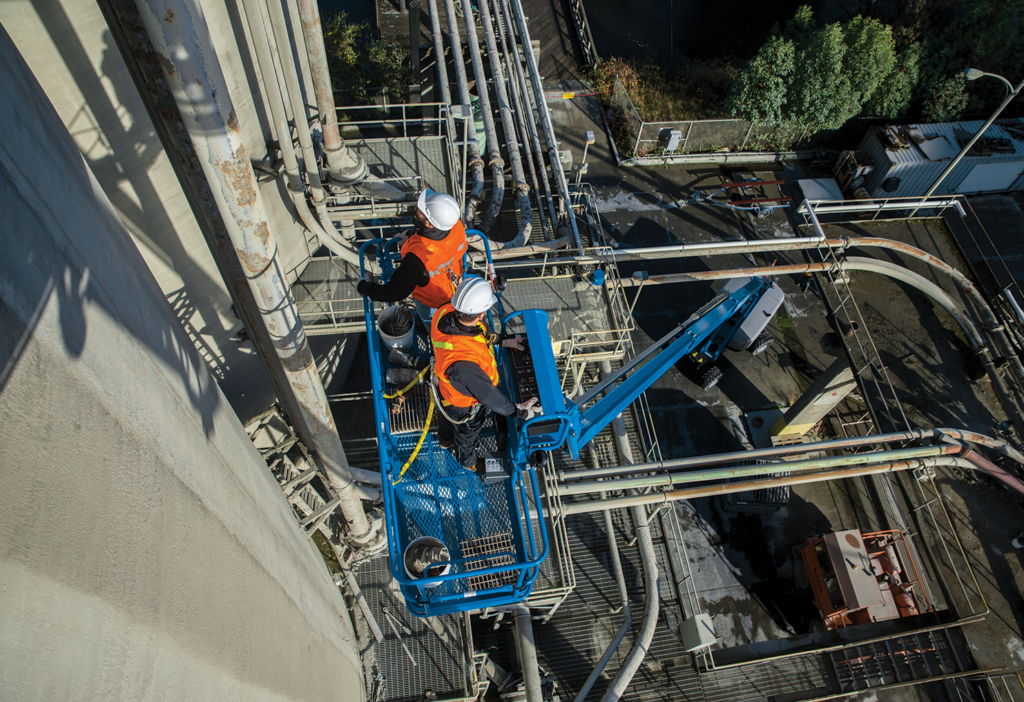
Drilling Rigs: The Backbone of Oil Expedition
Drilling rigs work as the necessary machinery in the domain of oil expedition, enabling business to gain access to hydrocarbon reserves hidden deep under the Planet's surface area. These rigs can be found in various types, including land rigs, offshore rigs, and mobile units, each made to operate in particular environments. Geared up with innovative technology, piercing rigs can penetrate geological formations with precision, ensuring efficient source extraction. The structural integrity and functional abilities of these rigs are vital, as they need to withstand extreme problems and substantial stress. In addition, the selection of an exploration rig influences the overall task expense and timeline, making it an important consideration for oil business seeking to maximize their expedition efforts and make the most of productivity in their procedures.
Pumps: Crucial for Fluid Motion
In the oil removal process, the function of pumps is considerable, helping with the movement of liquids throughout various stages of manufacturing. Pumps are essential for delivering petroleum, water, and various other liquids from below ground reservoirs to the surface and then with pipes to refineries. They can be found in different types, consisting of centrifugal, favorable displacement, and completely submersible pumps, each serving particular functions based upon the liquid attributes and operational requirements. Centrifugal pumps are typically utilized for their efficiency in high-flow applications, while favorable variation pumps succeed in managing thick liquids. The option of pump effects overall efficiency, functional safety, and upkeep prices. Appropriate choice and upkeep of pumps are crucial for optimizing manufacturing and minimizing downtime in oil area operations.
Valves: Managing Circulation and Pressure

Shutoffs play a crucial function in taking care of the flow and stress of liquids within oil areas and pipes. Different sorts of valves serve distinctive applications, each made to meet certain functions fundamental for effective procedure - Superior Rentals Contact. Comprehending the qualities and uses of these shutoffs is crucial for enhancing system performance and safety
Sorts of Valves
Important parts in oil field operations, shutoffs play a critical role in managing the circulation and stress of liquids within pipes and devices. Different kinds of shutoffs are made use of to satisfy the diverse requirements of oil and gas production. Typical types include gate shutoffs, which offer a straight-line flow and minimal pressure decline; globe shutoffs, recognized for their strangling capabilities; and ball valves, acknowledged for their quick on/off control. In addition, check shutoffs stop heartburn, while butterfly shutoffs supply a lightweight remedy for managing circulation. Each shutoff type is designed with particular materials and setups to withstand the severe problems frequently discovered in oil fields, making sure reliability and efficiency in procedures. Understanding these types is vital for effective system administration.
Valve Applications and Features
While numerous kinds of valves offer distinct objectives, their main applications revolve around managing flow and stress within oil and gas systems. Valves such as gateway, globe, and ball valves control fluid activity, ensuring peak performance and security. Gateway shutoffs are generally utilized for on/off control, offering minimal circulation resistance. World shutoffs, on the various other hand, deal exact circulation guideline, making them ideal for strangling applications. Round valves are preferred for their quick procedure and limited securing abilities. In enhancement, pressure safety valve are critical for avoiding system overpressure, safeguarding tools honesty. In general, the suitable choice and application of valves improve functional effectiveness, making certain the reliable transportation of oil and gas with pipelines and processing facilities.
Compressors: Enhancing Gas Transportation
Compressors play a crucial role in the reliable transport of gas, guaranteeing that it moves smoothly via pipes over fars away. These tools enhance the stress of gas, allowing it to get over friction and elevation changes within the pipeline system. Furthermore, compressors help with the harmonizing of supply and need, accommodating fluctuations in usage and manufacturing rates. Different kinds of compressors are used in the industry, including centrifugal, reciprocating, and rotary screw compressors, each offering unique benefits based upon the operational needs. Routine maintenance of these compressors is vital to make the most of effectiveness and reduce downtime, inevitably adding to a reputable gas transportation network. Their critical feature highlights the relevance of compressors in the total oil and gas infrastructure.
Storage Tanks: Safe and Efficient Liquid Monitoring
Efficient transport of why not try these out all-natural gas counts on numerous supporting systems, one of which is the proper management of tank. These containers play a vital function in securely consisting of fluids, guaranteeing that operational performance is kept while minimizing ecological dangers. Constructed from sturdy materials, they are designed to endure high stress and corrosive elements. Appropriately sized and purposefully located, storage space tanks facilitate the smooth flow of natural gas and various other liquids, preventing traffic jams in supply chains. Normal maintenance and tracking are necessary to identify leaks or structural issues, promoting safety and security and conformity with governing requirements. Eventually, the effective management of storage containers is vital for the total stability and dependability of the oil and gas industry's fluid handling systems.
Pipeline Systems: Infrastructure for Transportation
Pipeline systems offer as the foundation of the oil and gas sector, facilitating the reliable transportation of hydrocarbons over substantial distances. These systems are composed of different components, including pipelines, valves, pumps, and click for info compressors, all meticulously designed to ensure smooth circulation. The products made use of in pipeline building and construction, commonly steel or high-density polyethylene, are selected for longevity and resistance to corrosion. Pipeline networks can span throughout land and water, linking manufacturing sites to refineries and warehouse. In addition, progressed innovation allows real-time surveillance of flow prices and pressure levels, enhancing functional performance. The tactical positioning of these pipes lessens ecological effect while making best use of source ease of access, thereby playing a vital duty in meeting energy needs globally.
Security Equipment: Ensuring Worker and Environmental Management
The operation of pipeline systems, while vital for energy transport, also provides considerable safety and security challenges for employees and the atmosphere. Security devices plays a significant role in alleviating these risks. Personal safety equipment (PPE) such as helmets, gloves, and non-slip shoes safeguards employees from physical dangers. In addition, gas detection systems monitor for leaks, making sure that harmful substances do not present a risk to employees or the bordering environment. Emergency closure systems are essential for More Bonuses quickly halting operations during a dilemma, stopping prospective catastrophes. Spill containment products, including absorbents and obstacles, are basic for reducing ecological influence. On the whole, spending in all-inclusive safety tools is vital for keeping operational integrity and securing both workers and the setting in the oil and gas field.
Often Asked Concerns
Exactly how Do I Pick the Right Oil Field Equipment for My Project?
Selecting the appropriate oil field equipment includes evaluating task specs, budget plan restrictions, and operational requirements. Think about elements such as equipment dependability, compatibility with existing systems, and the supplier's online reputation to guarantee peak efficiency and safety.
What Are the Maintenance Needs for Oil Field Equipment?
Upkeep requirements for oil field equipment consist of normal evaluations, lubrication, and timely repairs. Operators ought to additionally stick to maker standards, monitor performance metrics, and assurance conformity with security policies to improve durability and effectiveness.

How Can I Make Sure Conformity With Environmental Rules?
To assure conformity with environmental regulations, companies need to conduct routine audits, carry out ideal methods, buy training, keep correct documents, and remain upgraded on regulations (Superior rentals squeeze tools). Partnership with ecological firms can additionally enhance adherence to guidelines
What Is the Ordinary Life-span of Pipeline Equipment?
The ordinary lifespan of pipeline devices normally ranges from 20 to 50 years, depending on factors such as worldly top quality, environmental conditions, and upkeep methods. Routine inspections can significantly affect long life and functional effectiveness.
Exactly how Do I Safely Transport Oil Field Equipment to Remote Locations?
Carrying oil field tools to remote locations requires mindful preparation, including path analysis, protecting authorizations, making use of ideal cars, and ensuring security protocols are adhered to. Appropriate training and communication among staffs are vital for successful transport.